Diving into the world of computer monitors can feel like navigating a maze, but when it comes to Apple Computer Monitors, there’s a distinct path. These displays aren’t just screens; they’re meticulously engineered extensions of the Mac ecosystem, designed to deliver unparalleled visual experiences and seamless integration. For anyone deeply invested in Apple’s hardware, an Apple computer monitor often represents the pinnacle of form and function for their workspace. But with premium price tags and specific feature sets, understanding what makes them tick and which one is right for you is crucial. Let’s peel back the layers and discover the unique blend of technology and design that defines Apple’s offerings, helping you optimize your digital canvas.
The Apple Studio Display: Your Everyday Mac Powerhouse
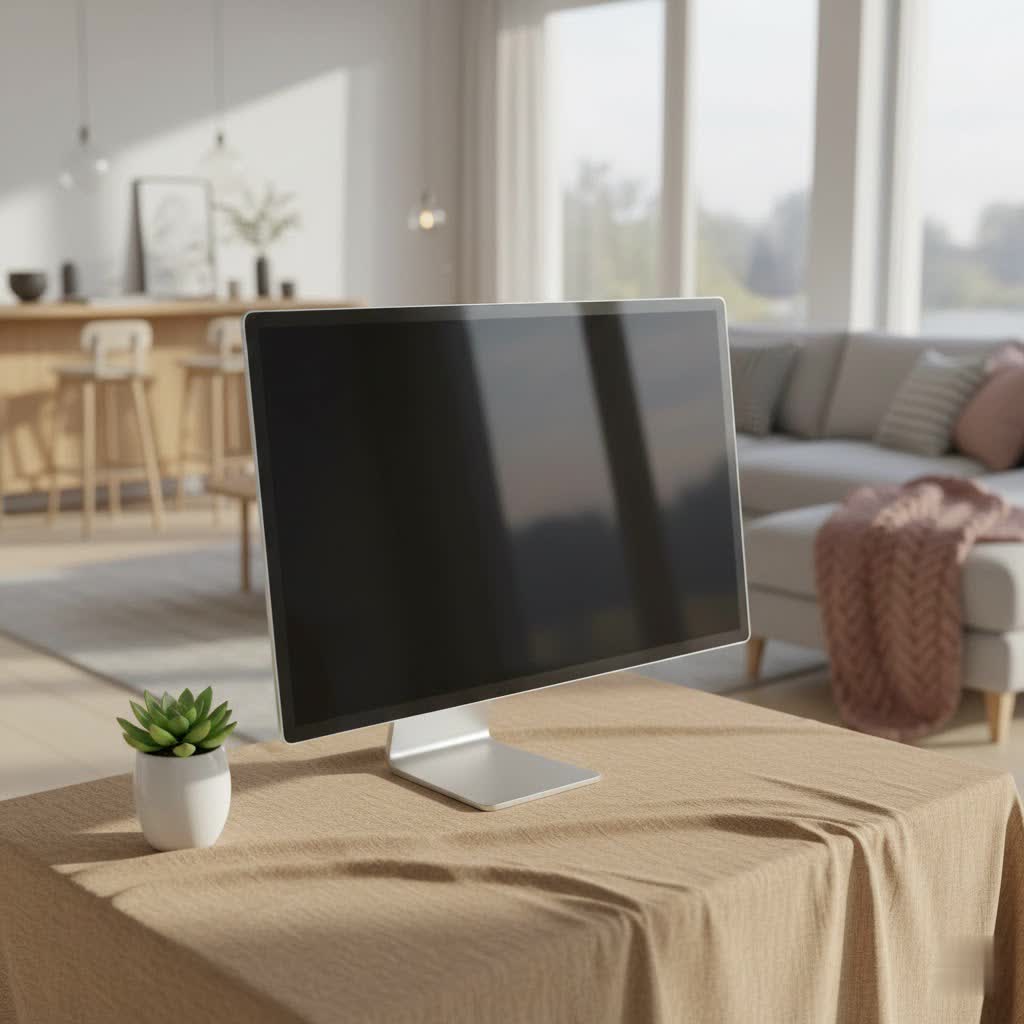
Imagine a monitor that feels like a natural extension of your Mac, effortlessly blending into your setup. That’s precisely the vision behind the Apple Studio Display. Launched in 2022, this 27-inch marvel is designed as an all-in-one solution for a broad spectrum of Mac users, from everyday productivity to creative work. It’s the ideal companion for your MacBook Pro, Mac mini, or Mac Studio, transforming your desk into a highly integrated and elegant workspace.
A Visual Feast: Display Quality & Performance
|
Our Picks for the Best Computer Monitor in 2026
As an Amazon Associate I earn from qualifying purchases.
|
||
| Num | Product | Action |
|---|---|---|
| 1 | Samsung 27\\\" S3 (S32GF) FHD High Resolution 120Hz Monitor with IPS Panel, Flicker Free, Eye Saver Mode, LS27F320GANXZA, 2025 |

|
| 2 | acer 27 Inch Monitor- KB272-27 Inch FHD IPS (1920 x 1080) Display, Up to 120Hz Refresh Rate, 99% sRGB, Tilt, Adaptive-Sync Support (FreeSync Compatible) 1ms (VRB), HDMI & VGA Ports |
|
| 3 | Amazon Basics 24 Inch (23.8 inch viewable) Monitor, FHD 1080P, Max 100Hz, VESA Compatible, Built-in Speakers, Black |
|
| 4 | Samsung 27\\\" Essential S3 (S36GD) Series FHD 1800R Curved Computer Monitor, 100Hz, Game Mode, Advanced Eye Comfort, HDMI and D-sub Ports, LS27D366GANXZA, 2024 |
|
| 5 | Samsung 24” (S40GD) Borderless Business Monitor with IPS Panel, 100Hz Refresh Rate, Eye Saver Mode, Ergonomic Design, Game Picture Mode, LS24D402GANXGO, 3 Yr Warranty |
|
| 6 | MAFNKOU Portable Monitor Touchscreen 14” 1920 * 1200P Gaming Display,Built-in Stand Speakers HDR IPS External Monitor for Laptop Portable,Travel Monitors for Laptop Mac PC Phone PS4/5 Xbox Switch |
|
| 7 | LG HDMI(2), DP, RS232C in/Out, RJ45 in,IR I |
|
| 8 | Samsung 32-Inch Flat Computer Monitor, 75Hz, Borderless Display, AMD FreeSync, Game Mode, Advanced Eye Care, HDMI and DisplayPort, LS32B304NWNXGO, 2024 |
|
| 9 | Philips 221V8LB 22 inch Class Thin Full HD (1920 x 1080) Monitor, 100Hz Refresh Rate, VESA, HDMI x1, VGA x1, LowBlue Mode, Adaptive Sync, 4 Year Advance Replacement Warranty |
|
| 10 | Philips New 27-inch Class Thin Full HD (1920 x 1080) 100Hz Monitor, VESA, HDMI x 1, VGA Port x1, Eye Care, 4 Year Advance Replacement Warranty, 271V8LB, Black |
|
At the heart of the Studio Display is its stunning 27-inch 5K Retina screen, boasting a resolution of 5120 x 2880 pixels at an impressive 218 pixels per inch (ppi). This means everything you see—from intricate design details to razor-sharp text—is rendered with incredible clarity and precision. It’s a visual treat that makes extended work sessions more comfortable and immersive. The display achieves up to 600 nits of brightness, ensuring vibrant images even in well-lit rooms. With support for the P3 wide color gamut and True Tone technology, colors are rich, accurate, and adapt intelligently to your ambient lighting conditions, crucial for photographers and video editors who demand color fidelity in their workflow. The display also comes pre-calibrated with various reference modes, allowing creative professionals to switch between settings like white point, gamma, and color space to match their project requirements.
More Than Just a Screen: Integrated Features
What truly sets the Studio Display apart from many competitors are its integrated features, powered by an onboard A13 Bionic chip. It’s not just a display; it’s a smart hub for your Mac.
- Camera and Microphones: Embedded within the sleek bezel is a 12MP ultrawide camera with Center Stage, a feature that intelligently keeps you centered in the frame during video calls, even if you move around. This makes it an exceptional tool for virtual meetings and presentations. A studio-quality three-mic array ensures your voice comes through crystal clear, minimizing background noise.
- Audio System: Prepare to be impressed by the Studio Display’s high-fidelity six-speaker system, complete with force-canceling woofers. This setup delivers rich, spatial audio that can rival many external speaker systems, freeing up valuable desk space. Whether you’re listening to music, watching videos, or editing audio, the sound quality is genuinely fantastic.
- Connectivity: The display features three USB-C ports (10Gb/s) and one Thunderbolt 3 port. The Thunderbolt port is a game-changer, providing up to 96W of power delivery, allowing you to connect and charge your MacBook Pro with a single cable while simultaneously driving the display and connecting other peripherals. This streamlines your workspace and reduces cable clutter significantly.
Design & Ergonomics: Form Meets Function (with caveats)
In true Apple fashion, the Studio Display sports a minimalist and elegant aluminum design that looks gorgeous on any desk. However, the standard stand offers only tilt adjustment, which might not suit everyone’s ergonomic needs. Apple does offer a tilt- and height-adjustable stand for an additional cost, or you can opt for a VESA mount adapter at no extra charge, allowing you to use your preferred monitor arm for maximum flexibility.
Is the Studio Display Right for You?
The Studio Display shines brightest when paired with an Apple device. If you’re a MacBook Pro user looking for a premium external display that integrates seamlessly, charges your laptop, and offers top-tier camera and audio, this monitor is an outstanding choice. Creative professionals engaged in SDR (Standard Dynamic Range) content creation will appreciate its color accuracy and sharp visuals. However, at a starting price of $1,599, it’s a significant investment, especially considering its 60Hz refresh rate isn’t ideal for avid gamers, and it lacks HDR support. Its value diminishes considerably when used with non-Apple computers, as many of its smart features require macOS.
The Apple Pro Display XDR: Uncompromising Professional Excellence
When “good enough” simply won’t cut it, and your work demands absolute visual fidelity, you turn to the Apple Pro Display XDR. This isn’t a monitor for the casual user; it’s a highly specialized, reference-grade display engineered for the most demanding professional workflows, such as high-end video editing, color grading, and visual effects.
Unrivaled Visuals: The XDR Difference
The Pro Display XDR is a 32-inch 6K Retina display (6016 x 3384 pixels or 6144 x 3456 pixels) that defines “Extreme Dynamic Range.” Its standout feature is its ability to achieve a sustained 1,000 nits of brightness, with a staggering 1,600 nits peak brightness for HDR content. This incredible brightness, combined with a precise backlight system, delivers stunning contrast and detail in highlights and shadows, making HDR content truly come to life. Like the Studio Display, it supports the P3 wide color gamut, but with an even more extensive array of reference modes, including customizable options, catering to the most stringent professional requirements for color accuracy and consistency across various industry standards. The larger screen size, coupled with 6K resolution, provides an expansive canvas for detailed work, allowing professionals to view 4K video content at native resolution with ample room for editing tools.
Designed for the Demanding Pro
Unlike the Studio Display, the Pro Display XDR is a pure display. It doesn’t feature an integrated camera, speakers, or microphones. The philosophy here is that professional users often have their preferred, specialized audio and video peripherals. This focus allows the XDR to dedicate all its resources to delivering the absolute best display quality. The design, with its distinctive “cheese-grater” back panel, is engineered for optimal thermal management, ensuring consistent performance during long, intensive sessions.
It’s important to note the stand situation: the Pro Display XDR’s highly engineered Pro Stand, offering tilt, height, and rotation adjustments, is sold separately for $999. A VESA mount adapter is also available, albeit for an additional cost, giving professionals flexibility in their mounting solutions.
When to Choose the Pro Display XDR
The Pro Display XDR is an investment for studios and individual professionals where color accuracy, brightness, and HDR capabilities are mission-critical. “For those whose livelihood depends on pixel-perfect precision and cinematic dynamic range, the Pro Display XDR is an indispensable tool,” comments David Chen, a veteran colorist and display technology expert. Its hefty starting price of $4,999 (plus the stand) means it’s beyond the needs and budget of most users, but for the specific niche it serves, it offers unparalleled performance that justifies the premium.
Compatibility and Connectivity: Seamless Integration with Your Mac
One of the most compelling reasons to choose an Apple computer monitor is its deeply integrated compatibility with the Apple ecosystem. These displays are optimized to work effortlessly with Macs, taking full advantage of macOS features.
For instance, features like precise color calibration, True Tone, and sRGB modes are often only fully accessible or best utilized when connected to a Mac. Modern Macs, particularly MacBook Pro models, leverage Thunderbolt and USB-C ports to provide a single-cable solution for video output, data transfer, and power delivery (up to 96W for the Studio Display). This means you can power your laptop and connect peripherals directly through the monitor, creating a clean and efficient desk setup.
macOS is meticulously designed to render crisp, legible text at high pixel densities. This is why a 4K resolution is generally recommended as a minimum for external monitors connected to Macs, with 5K and 6K displays like the Studio Display and Pro Display XDR offering even greater sharpness. While Apple monitors can technically connect to Windows PCs, they become “just another monitor,” losing the specialized software optimizations and integrated features that make them so valuable within the Mac ecosystem.
Furthermore, current MacBook Pro models (such as those with M2 Max or M3 Max chips) support multiple external displays at impressive resolutions, allowing professionals to create expansive multi-monitor setups for enhanced productivity. Always check your specific Mac model’s display support to ensure optimal performance.
Choosing the Best Apple Computer Monitor for Your Workflow
Deciding between the Studio Display and the Pro Display XDR, or even considering other premium monitors compatible with Macs, boils down to a few key factors:
- Budget: This is often the primary differentiator. The Studio Display is a significant investment, but the Pro Display XDR is in an entirely different league financially.
- Primary Use: Are you a general user, a creative professional working mostly in SDR, or a high-end specialist needing true HDR and reference-grade accuracy?
- Integrated Features: Do you value the convenience of a built-in webcam, speakers, and microphones (Studio Display), or do you prefer a “pure” display solution, relying on external peripherals (Pro Display XDR)?
- Screen Size and Resolution: 27-inch 5K for the Studio Display or 32-inch 6K for the Pro Display XDR. Both offer Retina-level sharpness, but the XDR provides more screen real estate and higher pixel count.
- Refresh Rate: Both Apple monitors feature a 60Hz refresh rate. If high-refresh-rate gaming or extremely fluid motion is a priority, you might need to look at other compatible monitors.
For most dedicated Mac users seeking a premium, aesthetically pleasing, and highly functional external display for general productivity, coding, graphic design, or video editing up to 4K SDR, the Apple Studio Display hits a sweet spot. For those in professional cinema, photography, or broadcast who require absolute color accuracy and extreme dynamic range for HDR mastering, the Pro Display XDR is the only Apple-branded choice that meets those stringent demands.
Expert Insights on Apple Displays
“Apple computer monitors, particularly the Studio Display, embody a philosophy where hardware and software converge to create an unparalleled user experience. While their price might raise eyebrows, the sheer cohesion they offer within the Apple ecosystem, from the crispness of text to the seamless integration of audio and video, often justifies the investment for dedicated Mac users,” states Eleanor Vance, a tech analyst specializing in creative workstations.
Frequently Asked Questions About Apple Monitors
Can I use an Apple monitor with a Windows PC?
Yes, you can physically connect an Apple monitor to a Windows PC via Thunderbolt or USB-C. However, many of the smart features, software optimizations, and integrated functionalities (like Center Stage on the Studio Display) are designed for macOS and will not work or will be significantly limited on a Windows machine. You’d essentially be paying a premium for an “overly expensive” external display without the full benefits.
What’s the difference between 5K and 6K resolution?
5K resolution (5120 x 2880) offers a substantial number of pixels, resulting in incredibly sharp images and text, particularly on a 27-inch screen like the Studio Display. 6K resolution (e.g., 6016 x 3384 or 6144 x 3456 on the Pro Display XDR) provides even more pixels, enabling greater screen real estate and even finer detail, especially on a larger 32-inch panel. Both are considered Retina quality by Apple standards, meaning individual pixels are indistinguishable at a normal viewing distance.
Are Apple monitors good for gaming?
Generally, no, not for competitive gaming enthusiasts. Both the Apple Studio Display and the Pro Display XDR are limited to a 60Hz refresh rate. While this is perfectly fine for casual gaming and most productivity tasks, it falls short of the 120Hz, 144Hz, or higher refresh rates preferred by serious gamers for smoother motion and quicker response times. Apple monitors prioritize color accuracy and pixel density over high refresh rates.
Why are Apple monitors so expensive?
The premium price of Apple computer monitors stems from several factors: the high-quality components (e.g., Retina panels with P3 wide color gamut), meticulous factory calibration, sophisticated integrated features (like the A13 chip for the Studio Display’s camera and speakers), robust build quality, and the deep integration with the Apple ecosystem that optimizes performance and user experience. They are positioned as premium tools rather than budget options.
Do I need the Nano-texture glass option?
The Nano-texture glass option, available for both Apple displays at an extra cost, is designed to minimize glare in challenging lighting environments, such as bright offices or direct sunlight. It achieves this by etching the glass at a nanometer level. While effective, it can slightly reduce the perceived sharpness or contrast in some conditions compared to the standard glossy finish. For most home or office setups with controlled lighting, the standard glass is more than sufficient. Consider Nano-texture only if you frequently work in environments with significant glare.
Investing in Your Visual Workspace
Choosing an Apple computer monitor is more than just buying a screen; it’s an investment in a meticulously crafted visual experience designed to harmonize with your Mac. Whether you opt for the feature-rich Studio Display, which serves as a powerful hub for creative professionals and dedicated Mac users, or the uncompromising Pro Display XDR, built for the most discerning visual specialists, you’re embracing a display that pushes the boundaries of resolution, color, and integration. Understand your specific needs, assess your budget, and consider how seamlessly an Apple computer monitor will elevate your daily workflow. With the right choice, your digital canvas will not only look stunning but will empower your productivity and creativity like never before. Take the leap, and you might just find yourself wondering how you ever worked without such a refined display.
